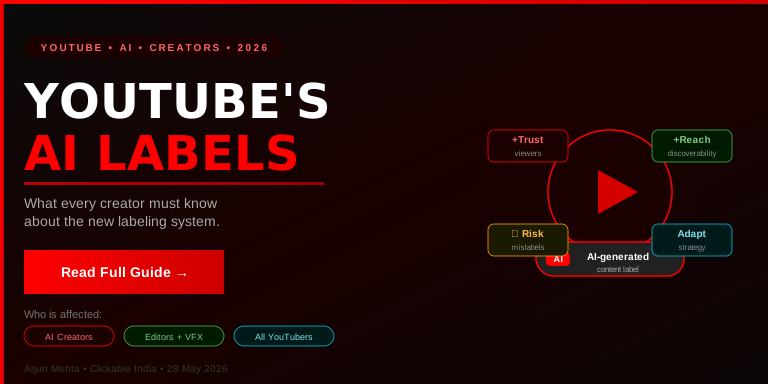
YouTube's AI Labeling Feature: Impact on Creators
YouTube's AI Labeling Feature: Impact on Creators
YouTube's AI labeling feature is revolutionizing how creators manage their content and audience engagement. By automatically tagging and categorizing videos, this technology enhances discoverability and monetization opportunities for creators. However, it also presents new challenges that creators must navigate in an increasingly automated digital landscape.
- YouTube's AI labeling enhances content discoverability by tagging videos automatically.
- It allows creators to reach broader audiences, potentially increasing ad revenue.
- However, reliance on AI can lead to mislabeling, affecting viewer experience.
- Creators must adapt to the evolving algorithm to maintain relevance on the platform.
- AI labeling raises questions about content ownership and creator autonomy.
- Understanding the implications of these features is crucial for Indian creators.
What is YouTube's AI Labeling Feature?
YouTube's AI labeling feature employs advanced machine learning algorithms to analyze video content and automatically generate tags and labels. This process involves the AI examining various elements within the video, including images, sounds, and spoken words, to determine appropriate categories. The goal is to enhance video discoverability and improve user recommendations, making it easier for viewers to find relevant content.
With the increasing volume of content uploaded daily, manual tagging by creators is becoming impractical. AI labeling streamlines this process, allowing creators to focus on content creation rather than the tedious task of tagging their videos. This automation not only saves time but also ensures that videos are labeled consistently, which can be critical for maintaining a coherent channel identity.
Furthermore, AI labeling is not just about categorization; it also involves understanding viewer engagement metrics. The system learns from user interactions, improving its tagging accuracy over time. This adaptive learning aspect means that as the AI becomes more sophisticated, it can better align content with viewer preferences, thereby enhancing the overall user experience on the platform.
Why Does YouTube's AI Labeling Feature Matter?
The significance of YouTube's AI labeling feature lies in its potential to transform the landscape for creators. By improving discoverability, it allows creators to reach wider audiences, which can lead to increased views and higher ad revenue. For many creators, particularly those in niche markets or emerging content areas, this feature can be a game-changer, enabling them to connect with viewers who may not have found their content otherwise.
Moreover, AI labeling can enhance the personalization of user recommendations. As the algorithm becomes more adept at identifying relevant content, viewers are more likely to receive suggestions that align with their interests. This personalized approach not only benefits viewers but also encourages creators to produce more targeted content, knowing that their audience is more likely to engage with it.
However, the reliance on AI also raises concerns about accuracy. Mislabeling can lead to inappropriate content being recommended to viewers, which can damage a creator's reputation and viewer trust. As creators become more dependent on AI-driven systems, they must remain vigilant about how their content is categorized and perceived within the broader ecosystem.
Benefits of AI Labeling for Creators
One of the primary benefits of YouTube's AI labeling feature is the streamlined content management process it offers to creators. By automating the tagging process, creators can save valuable time that would otherwise be spent manually categorizing their videos. This efficiency enables them to focus on what they do best: creating engaging content for their audiences.
Additionally, AI labeling can significantly enhance the monetization potential of videos. By accurately categorizing content, the system increases the likelihood of videos being recommended to relevant audiences, leading to higher engagement rates. For instance, a creator focusing on tech reviews may find that their videos are more frequently shown to users interested in technology, resulting in increased ad views and revenue.
Furthermore, accurate labeling can help in building a creator's brand. Consistent and relevant tagging can position a channel as a go-to resource for specific topics, attracting a loyal audience. This brand loyalty can translate into higher subscriber counts and improved engagement metrics, which are crucial for long-term success on the platform.
| Benefit | Description |
|---|---|
| Time Efficiency | Automated tagging saves creators time for content production. |
| Increased Discoverability | Accurate labels improve video recommendations to relevant audiences. |
| Enhanced Monetization | Higher engagement rates lead to increased ad revenue opportunities. |
| Brand Building | Consistent tagging helps establish a channel’s authority in specific niches. |
Challenges of AI Labeling for Creators
While AI labeling offers numerous advantages, it also presents several challenges that creators must navigate. One notable concern is the risk of mislabeling, where the AI may inaccurately categorize a video, leading to viewer confusion and disengagement. For example, a cooking channel might have its videos tagged as “fitness” due to the presence of healthy recipes, which could alienate potential viewers seeking specific culinary content.
Another challenge is the potential loss of creative control. As AI systems become more dominant in determining how content is categorized and promoted, creators may feel pressured to conform to algorithmic preferences. This situation could stifle creativity, with creators prioritizing what the AI favors over what they are genuinely passionate about creating.
Moreover, the reliance on AI for content management raises questions about ownership and copyright. If a creator's video is misrepresented due to AI tagging, it may impact their ability to monetize or protect their content. This concern is particularly relevant in a diverse market like India, where content ownership laws are still evolving.
| Challenge | Description |
|---|---|
| Mislabeling | Can lead to viewer confusion and disengagement from content. |
| Loss of Control | Creators may feel pressured to conform to algorithmic preferences. |
| Copyright Issues | Misrepresentation can impact monetization and content protection. |
India Perspective
The implementation of YouTube's AI labeling feature in India has significant implications for local creators. As the digital landscape in India continues to expand, the ability to reach a broader audience through automated tagging can be a substantial advantage for creators in various niches. For instance, Indian content creators focusing on regional languages can benefit from AI labeling, allowing their videos to be discovered by viewers who may not be familiar with those languages.
Additionally, the monetization aspect of AI labeling is crucial in the Indian context, where many creators rely on ad revenue for their livelihoods. With accurate tagging, Indian creators can enhance their visibility and engagement, leading to increased revenue opportunities. This is particularly important in a market where many creators are still navigating the complexities of monetization policies.
However, Indian creators must also be aware of the potential challenges associated with AI labeling. Issues related to mislabeling could lead to lost opportunities, especially for creators who may already face hurdles in gaining recognition. As such, understanding how the AI operates and being proactive in managing content tags is essential for success in this evolving digital environment.
Common Mistakes
- Neglecting Manual Review: Many creators may assume that AI tagging is foolproof, but neglecting to review and adjust tags can lead to misrepresentation of content.
- Ignoring Audience Feedback: Failing to listen to viewer feedback regarding content recommendations can hinder growth and engagement.
- Over-relying on Trends: Creators might prioritize trending topics based on AI recommendations, potentially sacrificing their unique voice and creativity.
- Not Staying Informed: The digital landscape is always changing, and creators who do not keep up with algorithm updates may fall behind in their content strategy.
- Underestimating Local Context: Indian creators should consider local culture and preferences when creating content, as AI may not fully capture these nuances.
Frequently Asked Questions
What is YouTube's AI labeling feature?
How does AI labeling benefit content creators?
What are the challenges of AI labeling for creators?
How does AI labeling affect Indian creators?
Stay Updated
Get the latest posts delivered to your inbox.
Related Posts
Is This How We'll Build Websites Soon? Exploring webMCP Live Demo
Discover how webMCP is set to revolutionize website development and AI integration in 2026. Explore its features and...
5 High Paying Tech Jobs for Freshers in 2026
Explore the top five high-paying tech jobs for freshers in 2026, including salary insights and industry demand.
Exploring New Methods for Desalination in 2026
Learn about innovative desalination methods transforming ocean water into drinking water, addressing global water...