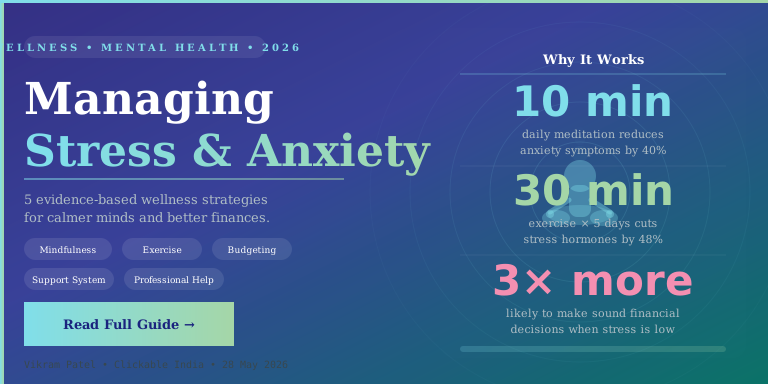
5 Effective Wellness Tips for Managing Stress and Anxiety
Managing stress and anxiety is crucial for maintaining overall health and well-being. By adopting effective wellness strategies, individuals can significantly reduce their stress levels and improve their mental health. Here are five practical tips to help you cope with stress and anxiety in your daily life.
- Mindfulness practices can enhance emotional regulation.
- Regular physical activity is linked to reduced anxiety.
- Building strong social connections provides support during tough times.
- Healthy eating habits contribute to better mental health.
- Sleep hygiene is essential for managing stress levels.
What is Stress and Anxiety?
Stress is a natural response to challenging situations, characterized by feelings of tension and worry. It can arise from various sources, including work deadlines, family responsibilities, or significant life changes. When stress becomes chronic, it may lead to anxiety, which is marked by persistent feelings of fear or apprehension even in the absence of a direct threat.
Anxiety disorders can manifest through a range of symptoms, such as restlessness, rapid heartbeat, and excessive worry. These feelings can hinder daily activities and affect overall quality of life. Understanding stress and anxiety is essential for developing effective coping strategies.
Both stress and anxiety can be influenced by external factors, such as work environment, relationships, and even social media interactions. The interplay between these elements can create a cycle that exacerbates feelings of anxiety, making it crucial to identify and manage these influences effectively.
Why Does Managing Stress and Anxiety Matter?
Proper management of stress and anxiety is vital for maintaining mental health. Chronic stress can lead to various health issues, including heart disease, digestive problems, and weakened immune responses. Thus, learning to cope with stress is not just about feeling better emotionally; it's also about protecting physical health.
Moreover, managing anxiety can enhance one's quality of life. Individuals who successfully navigate their stressors often report improved relationships, better performance at work, and a more positive outlook on life. This can lead to a more fulfilling and productive existence.
Neglecting to address stress and anxiety can have long-term consequences. Without intervention, these issues can escalate and lead to more severe mental health disorders, such as depression or panic disorders. Recognizing the importance of stress management is a crucial first step toward a healthier life.
Practice Mindfulness and Meditation
Mindfulness involves focusing on the present moment without judgment. It can help individuals become more aware of their thoughts and feelings, allowing them to respond rather than react to stressors. Meditation is a practice that enhances mindfulness by providing a structured approach to calm the mind.
Research suggests that regular mindfulness practice can significantly reduce anxiety levels and improve emotional regulation. Techniques such as deep breathing, body scans, and guided imagery can be effective in promoting relaxation. Here are some popular mindfulness techniques:
| Technique | Description |
|---|---|
| Deep Breathing | Focus on slow, deep breaths to calm the nervous system. |
| Body Scan | Systematically focus on different body parts to release tension. |
| Guided Imagery | Visualize calming scenes to promote relaxation. |
To incorporate mindfulness into daily life, individuals can set aside a few minutes each day for meditation or mindfulness exercises. Apps and online resources can provide guided sessions to help beginners get started.
Engage in Regular Physical Activity
Physical activity is a powerful tool for managing stress and anxiety. Exercise releases endorphins, which are chemicals in the brain that act as natural painkillers and mood elevators. Regular physical activity can also improve sleep quality, which is often negatively affected by stress.
Finding an enjoyable form of exercise can make it easier to stick with a routine. Whether it's jogging, dancing, yoga, or team sports, the key is to engage in activities that are fun and fulfilling. Here are some popular forms of exercise and their benefits for mental health:
| Exercise Type | Mental Health Benefits |
|---|---|
| Yoga | Can reduce anxiety and improve mood through controlled breathing and movement. |
| Walking | Simple and effective for reducing stress and boosting mood. |
| Strength Training | Can enhance self-esteem and resilience against stress. |
Setting realistic goals for physical activity can help individuals stay motivated. Starting with small, achievable targets and gradually increasing intensity can create a sustainable exercise habit.
Build Strong Social Connections
Social support is crucial for managing stress and anxiety. Having a network of friends and family can provide emotional support during difficult times. Sharing experiences with others can help individuals feel less isolated and more understood.
Strong social ties can also lead to a sense of belonging, which is essential for mental well-being. Engaging in social activities, whether through clubs, volunteer work, or community events, can foster connections and reduce feelings of loneliness.
Here are some ways to strengthen social connections:
- Participate in group activities or classes.
- Reach out to friends and family regularly.
- Join local community organizations or support groups.
Prioritizing relationships and investing time in building connections can lead to improved mental health and resilience against stress.
India Perspective
In India, the rising awareness of mental health issues has led to increased interest in wellness practices. Traditional practices such as yoga and meditation have gained popularity as effective tools for managing stress and anxiety. Many individuals are now incorporating these practices into their daily routines, recognizing their benefits for mental well-being.
Cost-effective solutions, such as online yoga classes and meditation apps, are widely available, making wellness accessible to a broader population. The integration of mindfulness practices into educational settings is also gaining traction, promoting emotional health among students.
Government initiatives and policies are increasingly focusing on mental health awareness, emphasizing the importance of stress management in public health campaigns. This shift reflects a growing understanding of the impact of stress and anxiety on overall health and productivity in India.
Common Mistakes
- Neglecting Physical Health: Ignoring nutrition and exercise can exacerbate stress. A balanced diet and regular physical activity are fundamental.
- Isolation: Withdrawing from social interactions can increase feelings of loneliness and anxiety. Maintaining connections is crucial.
- Overcommitment: Taking on too many responsibilities can lead to burnout. It's essential to set boundaries and prioritize self-care.
- Ignoring Sleep Hygiene: Poor sleep can worsen stress and anxiety. Establishing a regular sleep routine is vital for mental health.
- Resisting Change: Avoiding necessary changes can prolong stress. Embracing adaptability can lead to healthier coping strategies.
Frequently Asked Questions
What are some quick techniques to reduce anxiety?
How does physical activity help reduce stress?
Can diet influence stress levels?
How can I build a support network?
Stay Updated
Get the latest posts delivered to your inbox.
Related Posts
10 Essential Health Tips for a Balanced Diet in 2026
Explore 10 essential health tips to maintain a balanced diet in 2026, focusing on nutrition, wellness, and practical...
The Future of AI in Healthcare: Will It Replace Doctors in 2026?
Explore the transformative role of AI in healthcare and whether it can replace doctors by 2026. Understand its...