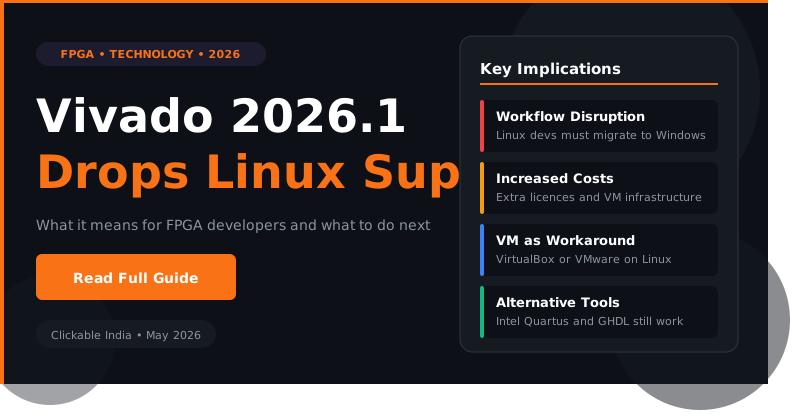
Implications of Dropping Linux Support in Vivado 2026.1
Opening Paragraph
Dropping Linux support in Vivado 2026.1 introduces significant implications for developers and organizations reliant on this platform for FPGA design. This decision affects the accessibility and flexibility of the tools available to engineers who prefer Linux environments for their workflows. Understanding these implications can help stakeholders navigate the evolving landscape of FPGA development tools.
- The removal of Linux support in Vivado 2026.1 may limit options for developers favoring open-source environments.
- This decision could lead to increased costs for organizations that must adapt to new operating systems.
- Users may experience a learning curve when transitioning to alternative platforms, impacting productivity.
- The FPGA industry might see a shift in developer preferences towards other tools that maintain Linux compatibility.
- Organizations should assess their current workflows to mitigate disruptions caused by this change.
What is Dropping Linux Support?
Dropping Linux support refers to the decision by software developers or companies to discontinue compatibility with the Linux operating system in their applications. This can impact various aspects of software usage, including functionality, accessibility, and user experience. For engineers and developers, Linux has traditionally been a popular choice due to its open-source nature, flexibility, and security.
Vivado, a tool widely used for FPGA design, has historically supported multiple operating systems, including Linux. The announcement of dropping Linux support in the upcoming Vivado 2026.1 version represents a strategic shift by the developers, potentially catering to a different user base. This change necessitates a reevaluation of how engineers approach FPGA development and what tools they choose to use.
As the FPGA landscape evolves, the implications of such decisions become crucial for understanding future development trends. The move away from Linux could signal a larger industry trend, where companies may prioritize compatibility with more commercially dominant operating systems, potentially alienating a segment of their user base.
Why Does Dropping Linux Support Matter?
The decision to drop Linux support has significant implications for developers who rely on this operating system for their workflow. Linux is favored for its stability and performance, especially in environments that require extensive computation, such as FPGA design. By removing support, companies like Xilinx may inadvertently limit their user base.
Additionally, the discontinuation may force organizations to incur additional costs associated with migrating to alternative operating systems. For example, companies that previously invested in Linux-based development environments may face expenses related to retraining staff or purchasing new software licenses for Windows or Mac. This financial burden can be particularly challenging for small to medium enterprises in India, where budget constraints are a primary concern.
Furthermore, the discontinuation of Linux support can also impact collaboration within teams that operate in mixed-OS environments. Developers accustomed to Linux may find it difficult to interface with colleagues using different platforms, leading to potential communication and workflow disruptions. As a result, this change can have far-reaching consequences for productivity and project timelines.
Impact on Development Workflows
The removal of Linux support can significantly alter development workflows for engineers using Vivado. For many professionals, Linux has been the preferred choice due to its robust performance in handling complex tasks typical in FPGA design, such as simulation and synthesis. Without support, engineers will need to adapt their workflows to accommodate alternative operating systems.
Transitioning to a different operating system can introduce several challenges, including compatibility issues with existing tools and libraries that were tailored for Linux environments. For instance, developers may need to find alternative tools for version control, build environments, and package management, which could lead to a steep learning curve. This transition period may reduce overall productivity as engineers adjust to new systems.
| Aspect | Linux Environment | Alternative OS Environment |
|---|---|---|
| Performance | Optimized for computational tasks | Varies by system |
| Tool Compatibility | Wide range of applications available | Limited options may require adaptation |
| User Experience | Highly customizable | More standardized |
Moreover, companies may need to invest in new training sessions for their engineers to ensure they are proficient in the new operating systems. These adjustments not only consume time but also distract from ongoing projects, potentially leading to delays and increased operational costs.
Industry Response and Alternatives
In response to the dropping of Linux support, the FPGA industry may witness a shift towards alternative tools that continue to offer compatibility with Linux. Several FPGA development tools and platforms maintain robust support for Linux users, presenting viable alternatives for developers seeking uninterrupted workflows. Tools like Quartus from Intel, or open-source solutions such as GHDL, provide similar functionalities and may attract those disillusioned by Vivado's decision.
Furthermore, the open-source community is likely to react by enhancing existing tools or developing new ones that cater specifically to the needs of Linux users. This could lead to the emergence of innovative solutions that not only fill the gap left by Vivado but also push the boundaries of FPGA design capabilities.
As a result, the market dynamics may shift, with companies reevaluating their software choices based on the level of support for Linux. Developers may prioritize tools that provide better flexibility and freedom, aligning with the growing trend toward open-source solutions in the tech industry. Consequently, organizations that adapt quickly to these changes may find themselves at an advantage in terms of productivity and innovation.
| Tool | Linux Compatibility | Features |
|---|---|---|
| Quartus | Yes | Comprehensive design and simulation |
| GHDL | Yes | Open-source VHDL simulator |
| ISE Design Suite | Limited | Legacy support for older devices |
India Perspective
The implications of dropping Linux support in Vivado 2026.1 are particularly relevant for the Indian tech ecosystem, where many developers rely on open-source tools for cost-effective development. In India, many educational institutions and startups lean towards Linux-based systems due to the reduced licensing costs associated with proprietary software. As such, this decision could pose a significant barrier to entry for budding engineers in the FPGA field.
Moreover, the cost of transitioning to alternative operating systems can be considerable. For smaller companies in India, the financial burden of retraining staff, purchasing new licenses, or investing in alternative development tools can strain budgets. This shift necessitates careful planning and resource allocation to minimize the financial impact on operations.
Furthermore, local developers may need to explore partnerships or collaborations with organizations that offer support for Linux-based tools. By pooling resources and knowledge, Indian engineers can continue their work in FPGA design without interruption, fostering an environment of innovation that can keep pace with global developments.
Common Mistakes
- Underestimating Transition Costs: Organizations often overlook the hidden costs associated with transitioning to a different OS, such as retraining and lost productivity. Proper budgeting is crucial.
- Not Exploring Alternatives: Failing to consider alternative FPGA development tools that support Linux can limit options. Evaluating multiple solutions can provide better flexibility.
- Ignoring Staff Feedback: Management may neglect the concerns of engineers about the shift, leading to dissatisfaction and reduced morale. Engaging staff in the decision-making process can lead to better outcomes.
- Rushing the Transition: Companies may try to switch operating systems too quickly without proper testing, risking project delays. A phased approach can mitigate issues.
- Neglecting Documentation Updates: As workflows change, failing to update internal documentation can create confusion. Ensuring that all processes are well-documented will aid in the transition.
Frequently Asked Questions
What are the effects of dropping Linux support in Vivado?
Why is Linux popular among FPGA developers?
What alternatives exist for Vivado users after the change?
How can companies mitigate the impact of this change?
What challenges might engineers face during the transition?
Stay Updated
Get the latest posts delivered to your inbox.
Related Posts
Is This How We'll Build Websites Soon? Exploring webMCP Live Demo
Discover how webMCP is set to revolutionize website development and AI integration in 2026. Explore its features and...
Exploring New Methods for Desalination in 2026
Learn about innovative desalination methods transforming ocean water into drinking water, addressing global water...
Step-by-Step Guide to Setting Up Your Home Automation System with Smart Devices in 2026
Learn how to set up your home automation system using smart devices with our comprehensive guide, tailored for India in...