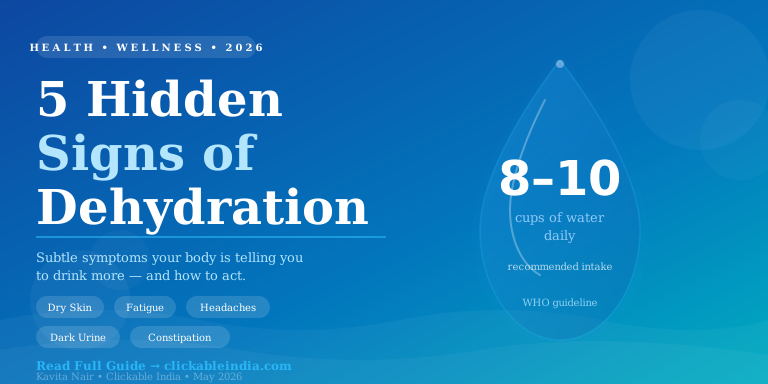
5 Hidden Signs of Dehydration: Identify and Combat It
Dehydration can often go unnoticed until it becomes severe, leading to various health issues. Recognizing the hidden signs of dehydration can help you take proactive steps to stay hydrated and maintain optimal health. This article discusses five often-overlooked indicators of dehydration and ways to combat it effectively.
- Dehydration can manifest in subtle ways, making awareness essential.
- Common hidden signs include fatigue, dry skin, and headaches.
- Staying hydrated supports overall health, from cognitive function to physical performance.
- Combat dehydration through regular fluid intake and consuming water-rich foods.
- Awareness of personal hydration needs is critical, especially in hot climates.
What is Dehydration?
Dehydration occurs when the body loses more fluids than it takes in, resulting in an imbalance that can affect bodily functions. It can range from mild to severe and can be caused by various factors such as excessive sweating, insufficient fluid intake, and certain medical conditions. Understanding dehydration is crucial for maintaining overall health and well-being.
There are several types of dehydration, including isotonic, hypertonic, and hypotonic dehydration, each characterized by different fluid and electrolyte losses. Isotonic dehydration is the most common, where both water and electrolytes are lost in equal proportions. Hypertonic dehydration involves loss of water primarily, while hypotonic dehydration is characterized by a loss of electrolytes, leading to an imbalance.
Recognizing the signs and symptoms of dehydration is essential for prevention and treatment. Common symptoms include thirst, dry mouth, and dark-colored urine, but many individuals may overlook more subtle signs that can indicate dehydration. Being mindful of these signs can help you maintain proper hydration levels and avoid potential complications.
Why Does Dehydration Matter?
Dehydration significantly impacts various bodily functions, including digestion, circulation, and temperature regulation. When the body is dehydrated, it may struggle to perform these essential functions effectively, leading to decreased energy levels and increased fatigue. Chronic dehydration can also exacerbate existing health conditions, making it crucial to stay hydrated.
In extreme cases, dehydration can lead to serious health risks, including kidney stones, urinary tract infections, and even heat-related illnesses. Athletes and individuals engaging in strenuous physical activities are particularly susceptible to dehydration, as they may not realize how much fluid they are losing through sweat. Recognizing and addressing dehydration early can help prevent these serious complications.
Furthermore, dehydration can impair cognitive function, leading to difficulties in concentration, memory, and overall mental clarity. Studies have shown that even mild dehydration can negatively affect mood and cognitive performance, making it essential to prioritize hydration in our daily lives. Understanding the significance of hydration can lead to healthier habits and improved overall well-being.
5 Hidden Signs of Dehydration
Identifying the hidden signs of dehydration is crucial for maintaining health. Here are five subtle signs that may indicate you are dehydrated:
- Fatigue: One of the earliest signs of dehydration is fatigue or a general lack of energy. When your body is low on fluids, it may struggle to maintain optimal energy levels, leading to feelings of tiredness.
- Dry Skin: Dehydration can manifest as dry or flaky skin. When your body lacks sufficient moisture, it can affect your skin's elasticity and appearance.
- Headaches: Dehydration can lead to headaches or migraines, often mistaken for other causes. A lack of fluids can cause the brain to temporarily shrink, leading to pain.
- Dark Urine: One of the simplest ways to check your hydration level is by observing your urine color. Dark yellow or amber urine often indicates dehydration, while pale yellow urine typically signifies proper hydration.
- Increased Thirst: While thirst is a well-known sign of dehydration, it can sometimes be overlooked. If you find yourself feeling thirsty more frequently, it may be your body's way of signaling the need for more fluids.
How to Combat Dehydration
Combating dehydration involves a proactive approach to fluid intake and lifestyle choices. Here are some effective strategies to stay hydrated:
- Drink Water Regularly: Make it a habit to drink water throughout the day, not just when you feel thirsty. Aim for at least 8-10 cups of water daily, adjusting based on activity level and climate.
- Consume Water-Rich Foods: Incorporate fruits and vegetables with high water content into your diet. Foods like cucumbers, oranges, and watermelon can contribute to your daily fluid intake.
- Avoid Excessive Caffeine and Alcohol: Be mindful of beverages that can contribute to dehydration, such as those containing caffeine or alcohol. These can lead to increased fluid loss, so balance them with water intake.
- Monitor Fluid Loss: If you engage in physical activities or live in hot climates, pay attention to your fluid loss and replenish accordingly. Electrolyte drinks can be beneficial during prolonged exercise.
- Set Reminders: Use technology to your advantage by setting reminders to drink water throughout the day. Apps and smart devices can help track your hydration levels and encourage regular intake.
India Perspective
In India, the awareness of dehydration, particularly in hot and humid climates, is crucial. The country experiences extreme temperatures during summer, leading to increased fluid loss through sweat. It’s essential for individuals, especially those engaging in outdoor activities, to remain vigilant about their hydration levels.
In rural areas where access to clean drinking water may be limited, dehydration can have severe consequences. Government initiatives have been implemented to improve access to safe drinking water, but personal awareness and responsibility remain critical. Carrying a reusable water bottle can encourage regular hydration, regardless of location.
Additionally, the rise of health and wellness trends in India has led to a growing market for electrolyte drinks and hydration supplements. Consumers should be informed about the ingredients in these products and consider their hydration needs based on individual lifestyles and activities.
Common Mistakes
- Ignoring Thirst: Many people overlook their thirst signals, thinking they can wait until they feel thirsty to drink. This can lead to dehydration before they realize it.
- Relying Solely on Beverages: Some individuals may drink beverages other than water, like sugary drinks, believing they count towards hydration. However, these can contribute to dehydration rather than alleviate it.
- Underestimating Fluid Loss: During physical activity, especially in hot weather, people often underestimate how much fluid they lose, leading to inadequate replenishment.
- Not Adjusting for Conditions: Failing to increase fluid intake during hot weather or illness can exacerbate dehydration symptoms. It's essential to be mindful of changing conditions.
- Overindulging in Caffeine or Alcohol: Relying on caffeinated or alcoholic beverages can lead to dehydration, as both can act as diuretics. Balance these drinks with plenty of water.
Frequently Asked Questions
What are the early signs of dehydration?
How much water should I drink daily?
Can dehydration cause serious health issues?
What foods can help with hydration?
How can I remind myself to drink more water?
Stay Updated
Get the latest posts delivered to your inbox.
Related Posts
10 Essential Health Tips for a Balanced Diet in 2026
Explore 10 essential health tips to maintain a balanced diet in 2026, focusing on nutrition, wellness, and practical...
5 High Paying Tech Jobs for Freshers in 2026
Explore the top five high-paying tech jobs for freshers in 2026, including salary insights and industry demand.
The Impact of Nutrition on Mental Health: A Comprehensive Overview
Explore how nutrition influences mental health, highlighting its importance, core aspects, and the Indian perspective...