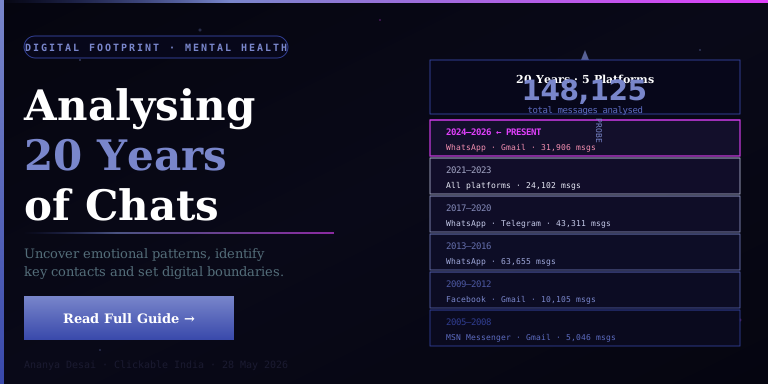
Guide to Analyzing Your Digital Footprint: 20 Years of Chats
What You'll Learn
- Understanding the concept of a digital footprint.
- How to collect and analyze your chat data over 20 years.
- Techniques for assessing the impact of your digital presence.
- Best practices for managing and protecting your digital identity.
- India-specific considerations for digital privacy and tools.
Prerequisites
Before you begin analyzing your digital footprint, ensure you have access to various communication platforms where you have engaged in chats over the past two decades. This may include messaging apps, social media platforms, and email accounts. Additionally, familiarity with basic data management tools will be helpful. You should also be comfortable with basic privacy concepts and be prepared to encounter old chats, which may evoke various emotions.
Step 1: Collecting Your Chat Data
The first step in analyzing your digital footprint is to gather all your chat data. Depending on the platforms you use, this can vary significantly. For instance, messaging apps like WhatsApp and Telegram, as well as social media platforms like Facebook, often have options to download your data. This data usually includes your chat history, multimedia files, and sometimes even metadata regarding when and how often you engaged in conversations.
To start, access the settings of each platform and look for data export options. For instance, on WhatsApp, you can go to Settings > Chats > Chat Backup to create a backup that can be exported. Similarly, Facebook provides an option under Settings > Your Facebook Information > Download Your Information. Ensure you choose the appropriate time range to capture chats from the last 20 years, if available.
# Example: Downloading data from WhatsApp

1. Open WhatsApp.
2. Go to Settings.
3. Tap on Chats.
4. Select Chat Backup.
5. Choose to back up your chats to Google Drive or locally.
Step 2: Organizing Your Data
Once you have collected your chat data, the next step is to organize it. This process might involve creating folders for each platform or time period, making it easier to navigate through your history. Consider using a spreadsheet to log key information such as the date of the chat, participants, and the main topics discussed. This organization will allow you to identify patterns in your communication style and topics of interest over the years.
Additionally, consider using data visualization tools to create graphs or charts that depict your communication frequency over time. Tools like Microsoft Excel or Google Sheets can help in creating visual representations of your data. For example, you could create a pie chart showing the percentage of conversations focused on different topics such as work, family, or hobbies.
Step 3: Analyzing Your Communication Patterns
With your data organized, you can begin to analyze your communication patterns. Look for trends such as peak times when you were most active in conversations or shifts in topics over the years. You might notice that certain topics became more prevalent during specific periods, reflecting changes in your life circumstances or interests.
It's also helpful to assess the sentiment of your conversations. Are there more positive interactions during certain times, or do you notice an increase in negative exchanges during stressful periods? You can use sentiment analysis tools available online to scan your text for emotional tone. This analysis can provide insights into how your relationships may have evolved and how your digital conversations reflect your mental state over the years.
Common Mistakes and How to Avoid Them
- Neglecting Data Privacy: Always consider the privacy implications of analyzing personal data. Ensure that any data you share or analyze does not compromise others’ privacy.
- Overlooking Old Chats: Many individuals may ignore older chats, assuming they are irrelevant. However, these conversations can provide valuable insights into your growth and changes in communication style.
- Failing to Back Up Before starting the analysis, ensure you back up your data. This precaution protects against accidental loss during the analysis process.
- Not Using Tools Effectively: While it might be tempting to analyze data manually, leveraging tools designed for data analysis can provide deeper insights and save time.
- Ignoring Emotional Impact: Analyzing past chats can be emotionally charged. Be prepared to process any feelings that arise and take breaks if needed.
India-Specific Tips
In India, digital privacy regulations are still evolving, so it's essential to be aware of the legal landscape surrounding data use. The Personal Data Protection Bill, which is being discussed in the Indian parliament, aims to provide individuals with more control over their personal data. As you analyze your digital footprint, stay updated on how these regulations might affect your rights regarding data privacy and protection.
For tools, consider using Indian platforms that focus on privacy, such as Signal for messaging, which emphasizes secure communication. Additionally, local data management and visualization tools can help you effectively organize and analyze your data without compromising your privacy.
Frequently Asked Questions
What is a digital footprint?
How can I access my chat history from different platforms?
Is it safe to analyze my chat data?
What tools can help with data visualization?
How can analyzing my digital footprint benefit me?
Stay Updated
Get the latest posts delivered to your inbox.
Related Posts
10 Essential Health Tips for a Balanced Diet in 2026
Explore 10 essential health tips to maintain a balanced diet in 2026, focusing on nutrition, wellness, and practical...
The Future of AI in Healthcare: Will It Replace Doctors in 2026?
Explore the transformative role of AI in healthcare and whether it can replace doctors by 2026. Understand its...
The Impact of Nutrition on Mental Health: A Comprehensive Overview
Explore how nutrition influences mental health, highlighting its importance, core aspects, and the Indian perspective...